Habitat Changes
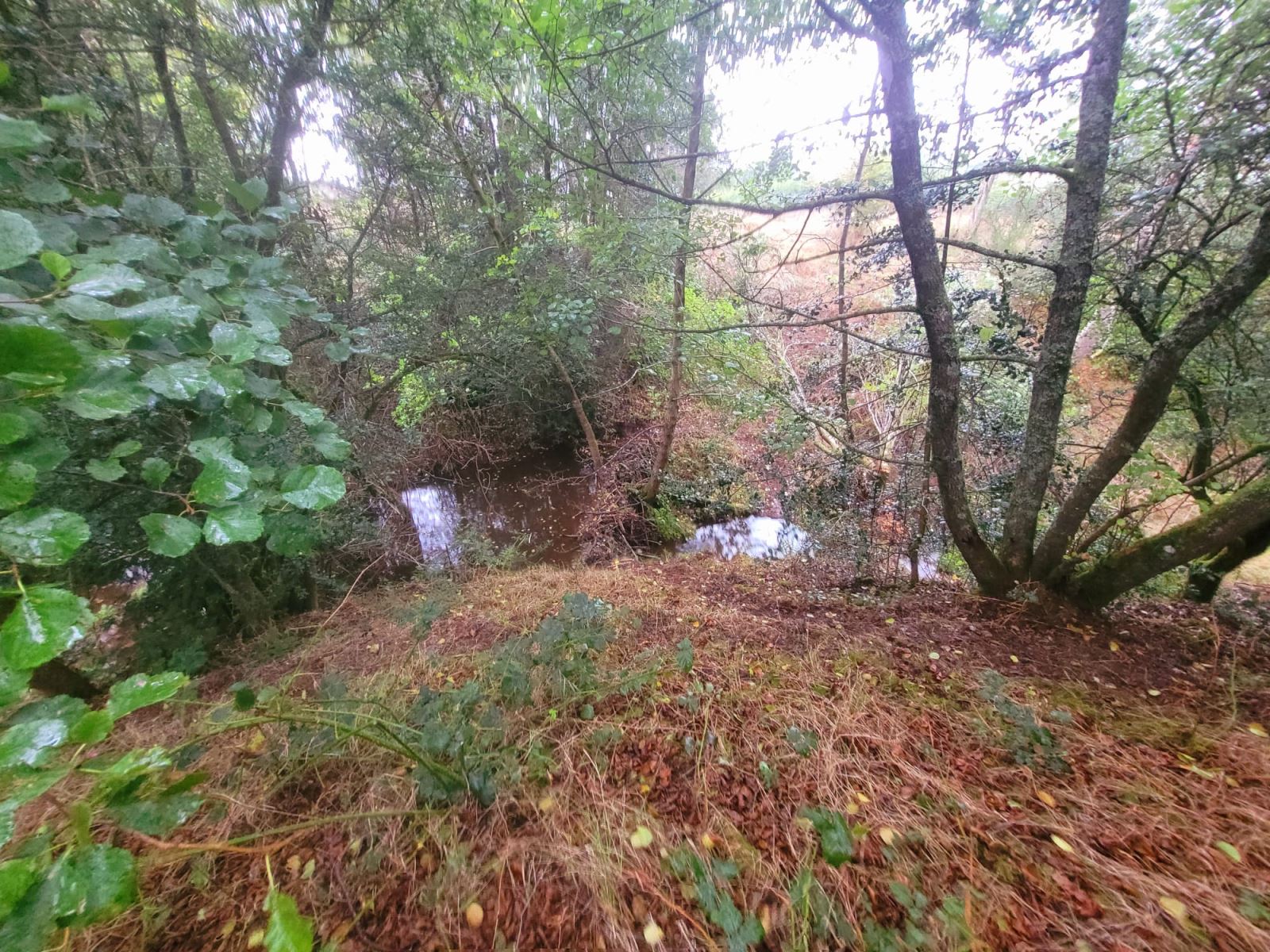
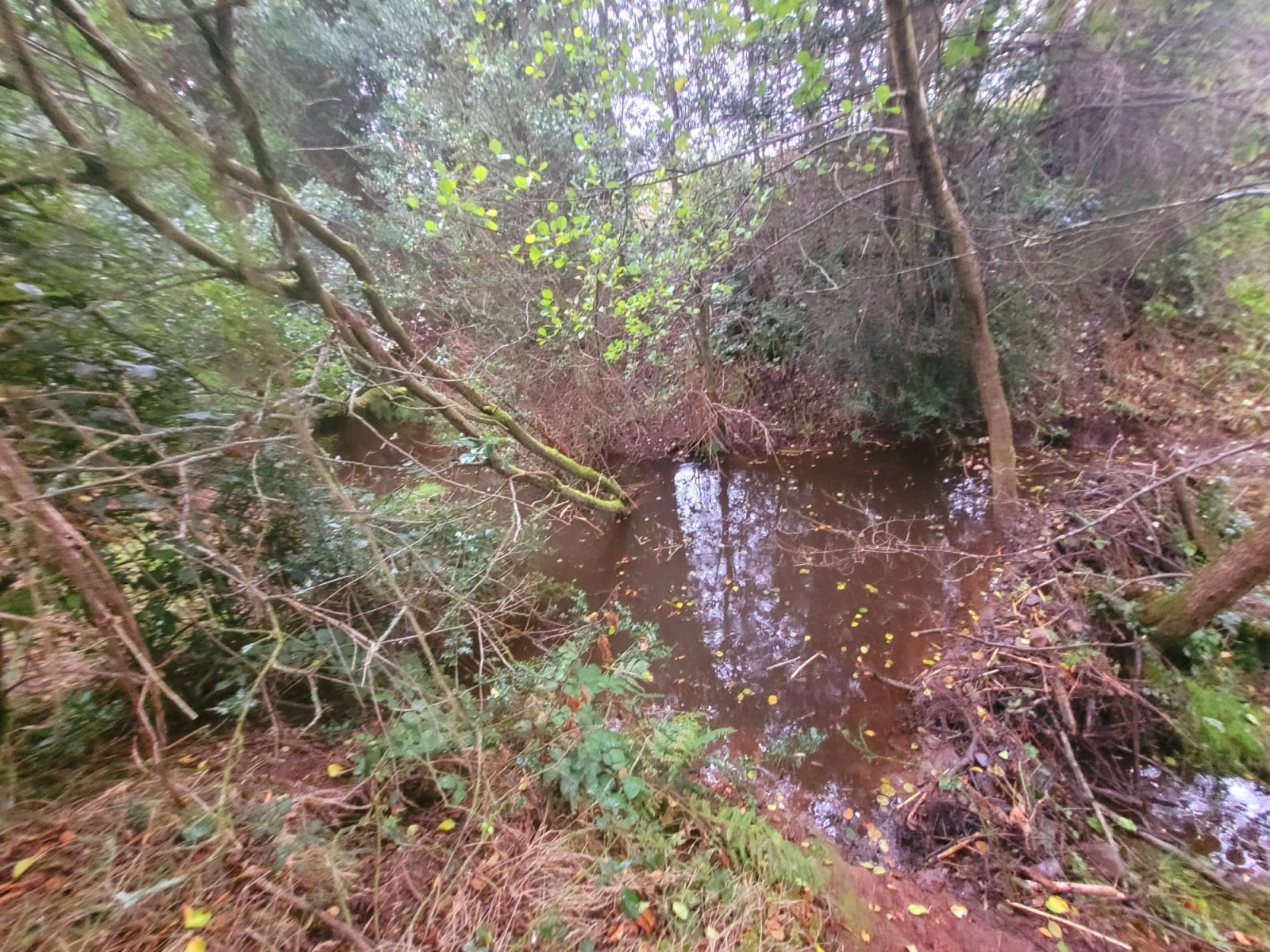
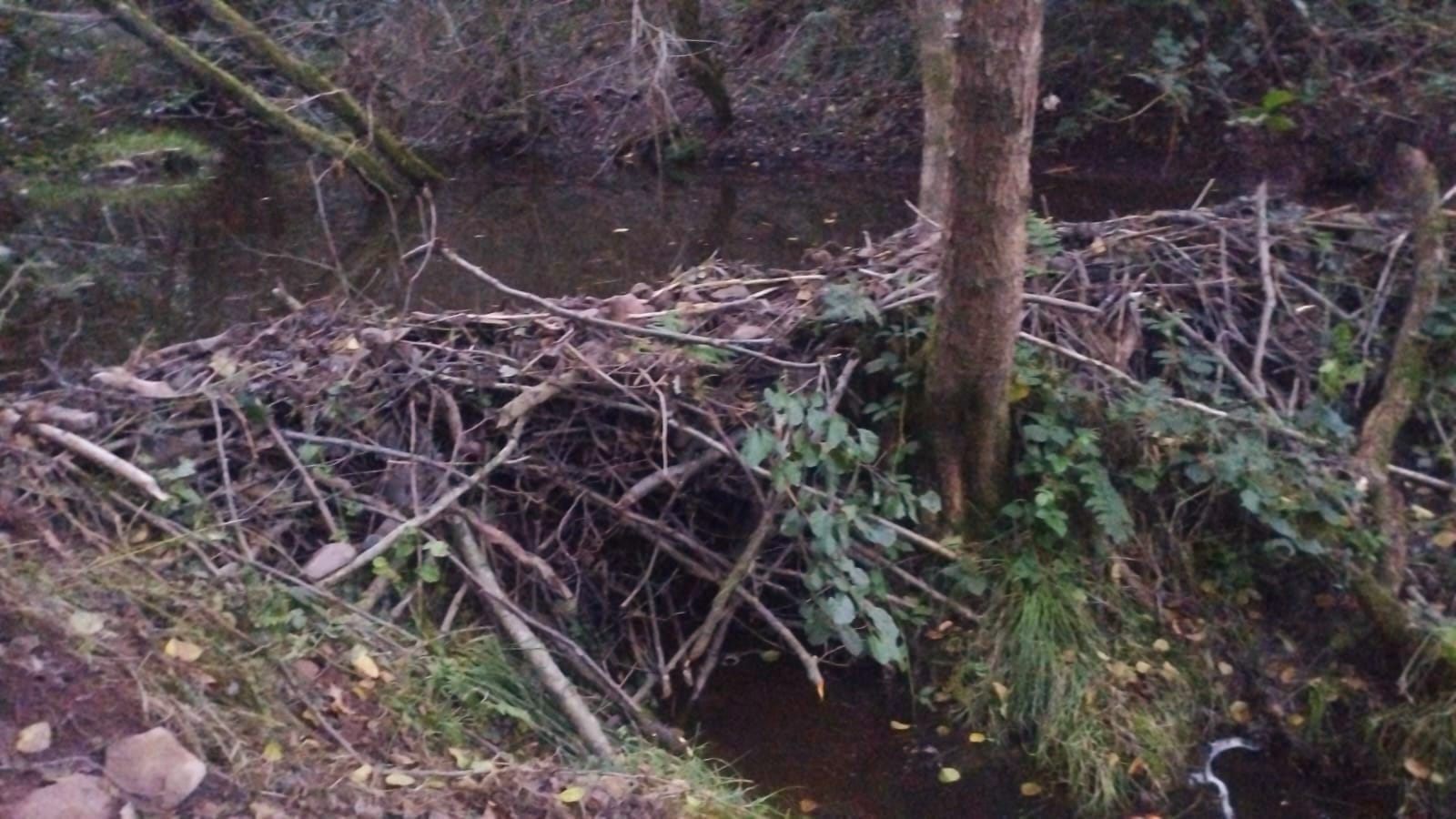
Beavers are ultimate nature engineers, capable of transforming simple streams into complex, species-rich wetlands. By building dams out of wood, stone, and mud, they slow water flow, raising the local water table and creating deep pools.
This process slows down soil erosion, filters out farm sediment, and creates vast deadwood habitats. Within our Clun project, the habitat transformation has provided new spawning sites for amphibians, foraging zones for bats, and rich feeding grounds for rare wetland birds.
Habitat Impacts:
- Water Retention: Slows stream velocity, mitigating downstream flood peaks during storm events
- Silt Trapping: Holds back soil runoff, delivering cleaner water downstream
- Drought Resilience: Stores vast quantities of water on land during dry summer periods
- Biodiversity Spikes: Creates ideal micro-habitats for dragonflies, fish, and wetland birds
- Carbon Sequestration: Deep silt and organic matter accumulate rapidly behind beaver dams